Health Centre
KISES runs a community Health Centre at Pedapatnam (Machilipatnam Mandal, Krishna District, Andhra Pradesh) to ensure that families in remote and coastal villages can access basic, timely, and dependable primary healthcare—without delaying treatment simply because a hospital is far away or private care is unaffordable.
In many villages around Pedapatnam, the real challenge is not only illness—it is access. A fever that starts in the evening, an elderly person’s blood pressure that spikes suddenly, or a child’s recurring cough can quickly become serious if medical support is not reachable in time. KISES observed this gap closely: in this area, a nearby public primary health facility is not easily available, and communities face significant constraints in accessing timely services.
This Health Centre exists to reduce that “distance” between a family and a doctor—so health issues are treated early, families get preventive guidance, and severe cases are referred before they become life-threatening.
Why This Project Is Needed
The wider district context makes the need for an accessible community Health Centre even clearer.
- High burden of anaemia and child undernutrition: Public data for Krishna district (based on NFHS datasets compiled in the District Nutrition Profile) shows that under-5 children continue to face significant nutrition and health risks—particularly anaemia, along with stunting and wasting.
When children are anaemic or undernourished, even “common” infections can hit harder, recovery takes longer, and parents are forced into repeated medical spending and missed workdays. - Growing load of non-communicable diseases (NCDs): The same Krishna district profile estimates a large burden among women of reproductive age (15–49 years), including hypertension and diabetes at scale—conditions that require ongoing monitoring, counselling, and continuity of medicines (not only emergency visits).
For daily-wage families, NCDs can silently become a financial and health crisis because regular testing and consistent medicines are difficult to sustain. - Climate and seasonal disease pressures in Andhra Pradesh:State-level health planning documents note that Andhra Pradesh faces climate-sensitive health risks such as heat-related illnesses, vector-borne diseases (like dengue/malaria/chikungunya), and water-borne diseases, which disproportionately affect poorer households with limited access to preventive care and timely treatment.
In coastal belts, these seasonal pressures can quickly overwhelm families—making local, first-point healthcare support crucial.
This is the gap KISES addresses: a consistent, community-based system where early care, screening, guidance, and referrals are available in time—especially for children, women, and elderly persons.
Project Highlights
- A dedicated Health Centre at Pedapatnam, designed to serve a wider cluster of villages through centre services and outreach.
- Coverage intent for 20–25 villages, enabling practical access for households who struggle to travel for routine care.
- A structured 7-room facility (including labour room, lab room, OP rooms, and an emergency IP room) so services can be delivered with dignity and preparedness.
- A realistic delivery model that communities actually use: health camps + house visits + basic medicines + referrals.
- Referral linkage to Government Hospital, Machilipatnam for severe/complicated cases.
Objectives
- Provide accessible primary healthcare to poor and marginalised families in Pedapatnam and surrounding villages.
- Strengthen preventive health and hygiene awareness, so families reduce avoidable infections and seek care early.
- Support early identification and timely referral of severe cases to appropriate public hospitals and specialists.
- Improve continuity of care for recurring/chronic problems such as BP/diabetes, and frequent seasonal illness patterns.
Project Area / Geographical Coverage Area of Project
- Primary location: Pedapatnam, Machilipatnam Mandal, Krishna District, Andhra Pradesh.
- Wider coverage intent: surrounding villages in the cluster (20–25 villages) through camps and outreach support.
- Outreach villages referenced in programme work: Ghantavaripalem, Kanuru, Chinna Kanuru, Pedda Patnam and nearby habitations.
Beneficiaries / Target Population
- Poor and marginalised rural/coastal households who cannot afford private care and struggle with travel/access for routine services.
- Women, children, elderly persons, and daily-wage families where illness quickly turns into lost income and debt.
- Families affected by common conditions like BP/diabetes, fever/cold/cough, joint pains, allergies, and seasonal infections.
Key Components
- Health Centre Services (Pedapatnam): A community-based first point of care with day-time services and emergency first aid support, backed by referrals for higher-level treatment.
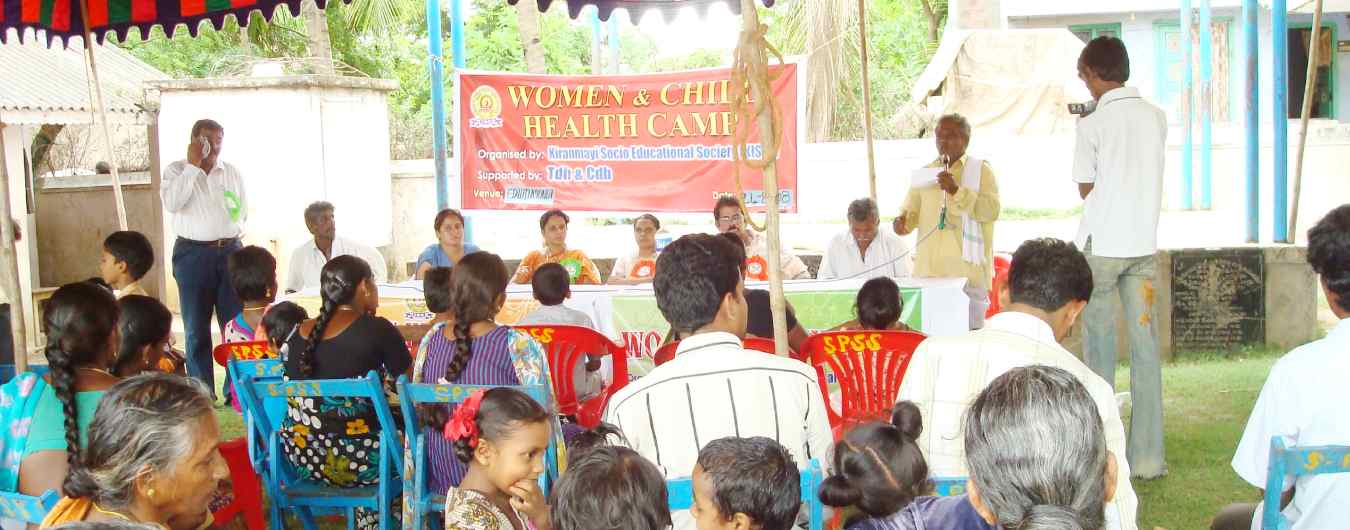
- Regular Health Camps: Health camps help serve larger numbers of people, handle seasonal needs, and provide check-ups and basic medicines for recurring health problems.
- House Visits & Preventive Follow-Up:House visits help identify risk early—BP checks, follow-ups, counselling, and minor ailment support—especially for elderly and vulnerable families.
- Health Education & Hygiene Promotion:Continuous community messaging on personal hygiene and prevention so families reduce infection risks and act early.
- Referrals & Linkages:Severe and complicated cases are guided to Government Hospital, Machilipatnam and specialist support as required.
Activities
- Running basic consultation support during service hours and first aid for urgent needs.
- Conducting periodic health camps and distributing essential medicines for common illnesses and chronic follow-up.
- House visits for BP monitoring, prevention counselling, and follow-up support for vulnerable families.
- Hygiene and preventive health awareness sessions at household/community level.
- Referral support for high-risk or severe cases requiring hospital treatment.
Expected Outcomes / Impact
- Earlier treatment, fewer complications: When care is available closer to home, families seek help earlier. This reduces avoidable suffering and prevents minor illnesses from turning into emergency situations.
- Reduced out-of-pocket health burden:By providing check-ups and basic medicines, the project reduces the financial shock of repeated clinic visits and pharmacy costs—especially for daily-wage families.
- Better management of BP/diabetes and recurring health needs:Chronic conditions require regular monitoring and counselling. Through camps and follow-up, patients get continuity of care rather than crisis-only treatment.
- Prevention becomes practical:Through repeated engagement on hygiene and preventive practices, the project helps families reduce infection risks—particularly important in the broader district context where anaemia/undernutrition and seasonal disease pressures make communities more vulnerable.
Partners
- Terre des Hommes (Lausanne, Switzerland) supported the construction of the Health Centre infrastructure.
- Local medical professionals support consultations/camps, and KISES continues to mobilise cooperation to keep services running.
- Government Hospital, Machilipatnam serves as a key referral point for severe cases.
Looking Forward / Future Plans
KISES aims to strengthen and scale the Health Centre model through:
-
- More consistent medicines and consumables availability.
- Stronger outreach coverage, given transport/access challenges in reaching the centre from other villages.
- Increased doctor availability and support staff to manage patient load and improve service quality.
- Partnerships that allow predictable, year-round services with measurable reporting—especially for CSR health priorities.
Conclusion
- The KISES Health Centre is a continuing lifeline built on a simple belief: healthcare must be available when people need it, not only when they can afford it or travel far for it. In a district context where nutrition risks, anaemia, and NCD burdens remain significant—and where seasonal and climate-related health threats add pressure—this project provides a practical first point of care, prevention guidance, and timely referrals.
- By supporting this project, donors and CSR partners help sustain not just a clinic, but a community health system that reduces delays, protects vulnerable families, and saves lives through early action.
How You Can Support (CSR & Individual Donors)
KISES welcomes support that strengthens the Health Centre as a consistent, year-round healthcare lifeline. CSR partners and individual donors can contribute in high-impact ways:
-
- Essential Medicines & Consumables Fund
Ensure uninterrupted availability of commonly required medicines and clinic consumables so patients don’t return home untreated. - Doctor Visits & Health Camp Sponsorship
Sponsor regular doctor consultations and health camps—especially during seasonal disease peaks—so more families can access screening and treatment. - Diagnostics & Basic Testing Support
Support BP monitoring, blood sugar testing, and basic diagnostic needs so chronic conditions and warning signs are detected early. - Emergency Referral & Patient Transport Support
Fund referral and emergency transport assistance for severe cases needing Government Hospital/specialist care—critical where access/transport is a barrier. - Outreach & House Visit Operations
Enable village house visits for early detection, follow-up, counselling, and preventive support—especially for elderly and vulnerable families. - Health Education & Hygiene Awareness Materials
Sponsor local-language community awareness activities and IEC materials that reduce preventable infections and encourage early care seeking. - Equipment & Facility Strengthening
Support basic clinic equipment and upgrades that improve service quality and emergency readiness. - Multi-Year CSR Partnership for Sustainability
A 2–3 year CSR partnership can ensure predictable services (medicines, camps, outreach) with clear deliverables and impact reporting aligned to CSR themes like Health, Rural Development, Preventive Care, Women & Children.
- Essential Medicines & Consumables Fund